On this page 12 sections
- What Are Dental Bonding and Veneers?
- Differences Between Composite Bonding and Porcelain Veneers
- Tooth Preparation and Enamel Removal
- Repair and Maintenance
- Treatment Time and Appointments
- Stain Resistance and Whitening
- Bonding, Veneers, and Tooth Alignment
- Cost and Insurance Coverage
- When a Dental Crown May Be More Suitable
- Which Option Is Right for You?
- Schedule a Consultation
- Frequently Asked Questions
Bright white teeth and a great smile create our facial appearance. Thanks to modern dentistry, people can improve these features to enhance their looks and gain confidence without pain, discomfort, and putting a lot of burden on their pockets. Dental bonding and veneers are the simplest and quickest ways; however, which ones to choose depends on which suits you the best. When comparing bonding vs veneers, there are many differences; hence taking dental advice is recommended. Though, here we share a few differences that can help you in making your choices.
If you’re short on time, here is the short version. When treating a single tooth or a couple of teeth, bonding is the quicker, less expensive solution and is typically completed in one visit. Veneers are more expensive and require two appointments, but can cover more teeth at a time with a much longer lifespan. The difference between composite bonding and porcelain veneers is primarily material, price, and the longevity of each.
What Are Dental Bonding and Veneers?
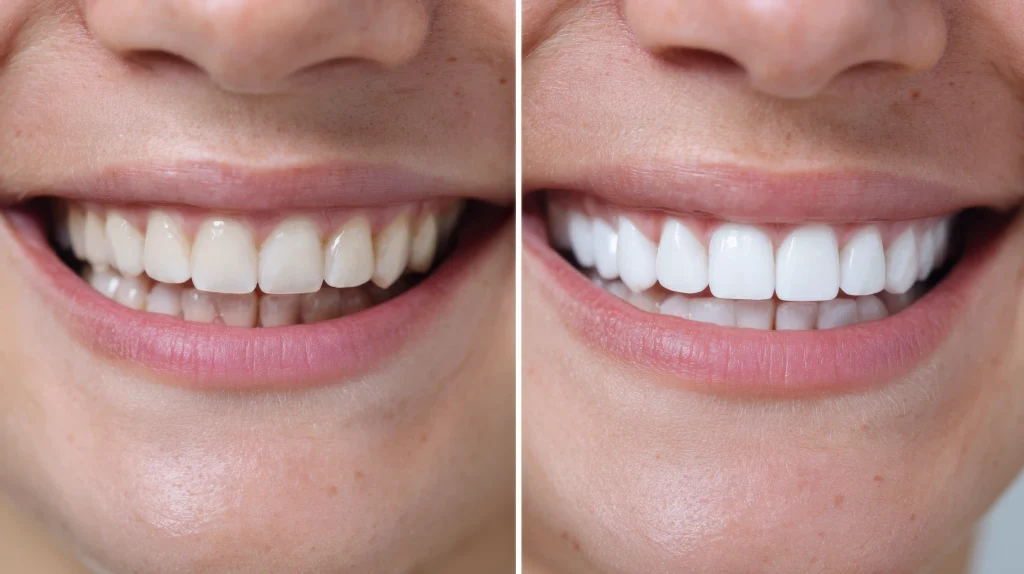
Bonding and veneers correct irregular tooth shape, gaps, chips, uneven sizes of teeth, and jagged edges. These both smile makeover techniques give a new face to your teeth, but by different procedures. During dental bonding, a tooth-colored composite resin is put on your teeth to mend the damages. It is a cost-effective solution, and many patients prefer it. While on the other hand, veneers are very thin shells of tooth-colored material covering the teeth giving a natural look. Veneers alter the shape, size, color, and length of the teeth where placed.
Differences Between Composite Bonding and Porcelain Veneers
It’s worth knowing that “veneers” isn’t just one material. Composite veneers are formed and placed in the chairside in a single visit and shaped from the same resin that is used for bonding. Porcelain veneers are created in a dental lab from thin ceramic shells, which are more time consuming to place but are more stain resistant and durable than composite. People often compare veneers vs bonding, but they are really comparing the three: bonding, composite veneers and porcelain veneers.
When making a comparison between bonding and veneers, these few areas are noteworthy;
- Veneers are more expensive than bonding. As veneers are customized solutions; hence, they cost more while bonding is just like filling to give a shape to the tooth.
- Bonding mostly takes just one sitting while veneers take many as customized set takes time to complete.
- Once the veneer fixes, it is a long-term solution, but bonding is flexible and can detach.
- Bonding corrects one or two teeth’ look while veneers give a brand new smile to the individual, showing noticeable results.
- Veneers are durable and have a longer life than bonding. Bonding can chip and discolor with time.
Tooth Preparation and Enamel Removal
Dental bonding is generally the more conservative option because composite resin can often be added to the tooth with little or no enamel removal. It can also be adjusted or repaired more easily.
Porcelain veneers require preparation of the tooth in many cases. Once enamel has been removed, the veneer generally needs to remain on the tooth or be replaced with another restoration.
Repair and Maintenance
Yes. A benefit of dental bonding is that it can be used for replacing small pieces or damage to a restoration without needing to replace the entire restoration. But the repair will depend on the location and extent of the damage.
Porcelain veneers are not like that. The veneer may need to be replaced instead of repaired if it is badly broken or damaged.
This distinction is important if you’re considering bonding versus veneers, especially if you’re looking for something that will be easier to maintain or change later.
Treatment Time and Appointments
In most cases, dental bonding takes place in one visit, but this may vary based on the number of teeth being bonded and the amount of shaping required.
Porcelain veneers typically take longer because the veneers need to be planned, prepared, custom-made, and placed. Multiple appointments may be required.
If you are more interested in getting a small cosmetic change done in a timely fashion, bonding might be more convenient. Veneers take longer and are a better option for anyone who wants to have more than one cosmetic issue fixed in a smile transformation.
Stain Resistance and Whitening
Porcelain veneers are more resistant to stains than composite resin. Over time, dental bonding may turn yellow or brown, especially when exposed to coffee, tea, red wine, tobacco and other stain-causing agents. The composite material cannot be whitened as easily as natural enamel.
If you have natural teeth that you have already bonded and then whiten, the bonded material may not whiten. Your dentist will be able to determine if whitening is best done before cosmetic bonding or veneers.
Bonding, Veneers, and Tooth Alignment
Sometimes bonding and veneers can make the teeth look straighter, but they will not move the teeth. If the teeth are quite crowded or rotated or misaligned, it may be better to consider orthodontics (clear aligners). Covering a severely misaligned tooth with a cosmetic restoration may not address the underlying bite or alignment issue.
This is an important consideration before choosing between bonding vs. veneers.
Cost and Insurance Coverage
The price of the procedure depends on the specific case. Per-tooth cost ranges for Houston are included in the frequently asked questions below.
The number of veneers required is important to consider, especially when it comes to porcelain veneers, as most patients require 6 to 10 veneers for a complete smile makeover. Both bonding and veneers are typically viewed as cosmetic procedures, and therefore, dental insurance plans generally won’t cover them unless the procedure is restorative, like fixing a chip that impacts the bite.
When a Dental Crown May Be More Suitable
Not all teeth that are damaged require bonding or veneers. When a tooth is structurally damaged, has extensive decay or weakness, a dental crown might be more suitable as it will provide more coverage and protection.
The choice depends on whether the primary goal is cosmetic improvement, restoration, or protection of the tooth.
Which Option Is Right for You?
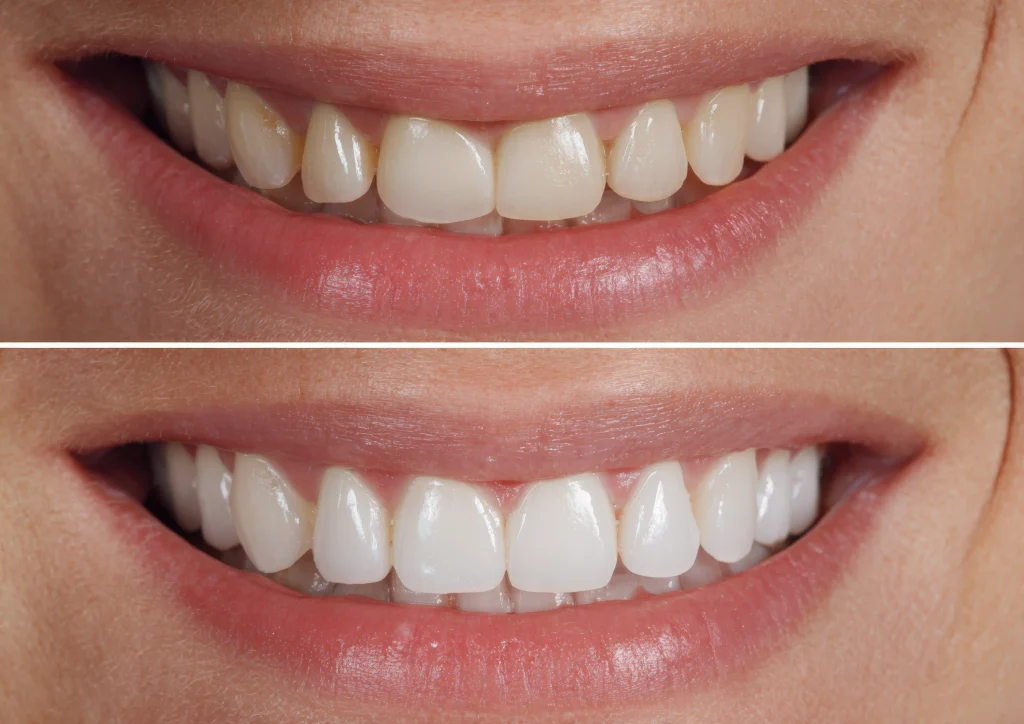
Both bonding and veneers have a similar purpose; however, only one is recommended depending on the oral condition. Bonding is best to use when you have to correct one or two teeth and improve their physical appearance. It is a cheap alternative and easily accessible to everyone. Besides, if all the teeth need correction and better looks, the veneer is a better and durable option. They can last for ten to fifteen years with proper care and maintenance. Veneers will not stain the teeth, and they remain white for a longer time. Though, both help in improving your smile and confidence and result in a natural look.
Schedule a Consultation
Still wondering whether dental bonding or veneers are right for you? Talk to us for a personalized consultation. The team at Smile4Ever Family Dentistry is happy to help you make the right choice for your smile. Call us at 281-213-5668 to schedule your appointment.