


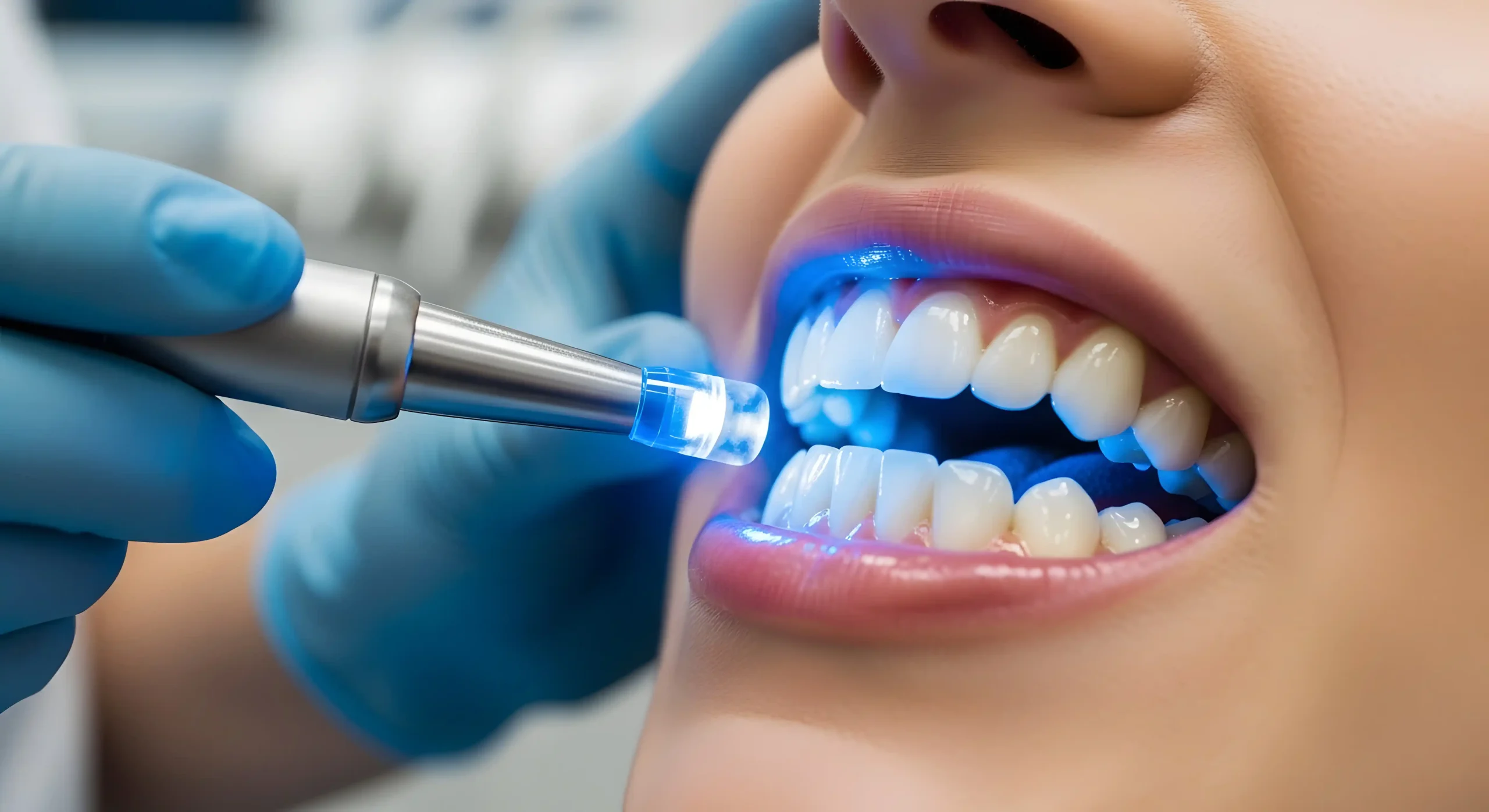
When life gets busy, it can be easy to put your dental cleanings on the back burner. While the ADA recommends adults visit the dentist every six months, many adults simply wait until they have a tooth problem to make a dental appointment. If you are putting off your dental cleanings, you are missing out on preventative care. Below, we will explain why you shouldn’t skip these appointments.
Dental cleaning and prevention go hand in hand. Cleaning is more than just a brighter smile. One of the easiest and cheapest ways of preventing minor issues from becoming major, painful issues. Here’s what you can expect to find at a cleaning, when you really need one, the cost of routine cleanings versus deep cleanings and more, so you know what to expect before you book.
The Importance of Regular Dental Checkups
Dental checkups are important because they allow your dentist to properly clean and evaluate your teeth. Going for your checkups regularly will also allow your dentist to monitor any changes in your mouth over time. This will make it easier for your dentist to spot any abnormalities and catch diseases early.
The key to the true benefits of regular dental cleaning is timing. A lot of these problems don’t bother you until they’ve advanced to the point where they’re painful, and gum disease, cavities and even oral cancer are easier and less expensive to treat when they’re caught early. A dentist may see the early signs of gum disease, such as a small spot of enamel that is broken down or a bit of inflamed gum tissue, before you even realize that there is a problem.
What Happens During the Exam?
During your dental cleaning, your dentist will first evaluate your mouth. They will check your teeth for decay and make sure your gums and tongue look healthy. The dentist may also order x-rays. After the exam, your dentist will thoroughly clean your teeth using a series of small tools such as drills. They will clean the teeth of plaque and may also give you a fluoride or sealant treatment to prevent cavities. At the end of your appointment, you will have the opportunity to discuss with your doctor and plan for any dental work you might need in the future.
What Tools Does Your Dentist Actually Use?
Dentists often use a small mirror to inspect for problem areas, a scaler to gently remove plaque and tartar from teeth, and a polisher with gritty toothpaste to polish the surface of the teeth to remove surface stains. Most appointments last 30 to 60 minutes and are comfortable, although there may be some sensitivity if there is some buildup along the gum line.
Dental Cleaning Benefits: Why It’s Worth the Appointment
The importance of dental cleanings goes well beyond fresh breath. Here are the benefits of a regular check-up:
| Benefit | Why It Matters |
| Removes plaque and tartar | Brushing alone can’t remove hardened tartar once it forms |
| Prevents cavities | Clears the buildup that causes decay before it starts |
| Catches gum disease early | Inflammation and bone loss are much easier to reverse early on |
| Freshens breath | Removes the bacteria that cause ongoing bad breath |
| Brightens your smile | Polishing lifts surface stains from coffee, tea, and other foods |
| Saves money long term | A $75 to $350 cleaning is far cheaper than a filling or root canal |
Do Dental Cleanings Prevent Cavities?
Yes. When the plaque bacteria eat the sugar, they leave behind acid that erodes enamel, causing cavities. A dental cleaning to prevent cavities is effective because the plaque and hardened tartar are removed before they can cause cavities, and the fluoride treatment that many dentists give after the cleaning strengthens the enamel against future attacks of acids. In addition to daily brushing and flossing at home, the best way to avoid cavities is to get them cleaned twice a year.
How Often Do You Really Need a Routine Dental Cleaning?
The ADA’s general guidelines suggest a cleaning every six months. However, each individual has his or her own risk factors, and the best schedule is determined by those. One of the routine dental cleaning benefits you should know is that your dentist can in fact tailor this period:
- Every 6 months: For patients with healthy gums, low cavity risk
- Every 3 to 4 months: Typically for those with a history of gum disease, smoking or diabetes.
- Every 4 to 6 months: Typical for children and adolescents who are still learning proper brushing techniques.
Routine Cleaning vs. Deep Cleaning: What’s the Difference?
Preventive maintenance for healthy gums is a routine cleaning. A deep cleaning (also known as scaling and root planing) is used for gum disease that has already developed below the gum line.
| Feature | Routine Cleaning | Deep Cleaning |
| Who it’s for | Healthy gums, general maintenance | Gum disease with pockets or bone loss |
| What it treats | Surface plaque and tartar | Plaque and tartar below the gumline |
| Anesthesia | Usually not needed | Local anesthesia is common |
| Houston cost | $75 to $350 | $100 to $300 per quadrant |
| Frequency | Every 6 months (or as advised) | As needed, then followed by maintenance visits |
Dental Cleanings in Houston, TX
Visiting the dentist doesn’t have to be inconvenient. At Smile 4 Ever Family Dentistry, we offer appointments six days a week to fit any schedule. Make an appointment for your dental cleaning online or call 281-213-5668.
How Much Does a Dental Cleaning Cost in Houston?
A typical dental cleaning in Houston without insurance will cost $75 to $350, depending on whether or not it includes X-rays or other treatments, such as fluoride. Most dental insurance plans include 1 or 2 routine cleanings annually at 100% coverage, which means that many patients pay very little or nothing of their own money for routine cleanings.
When the gum disease is advanced enough to require a deep cleaning, this procedure is usually $100 to $300 per quadrant, or $400 to $1,200 for a full-mouth deep cleaning if the patient is not insured. Ask our team about your specific coverage before your visit so there are no surprises at checkout.
Frequently Asked Questions
Do dental cleanings actually prevent cavities?
Yes. The best way to prevent cavities is to remove the plaque and tartar before it can cause decay, or to use fluoride treatment.
How much does a routine dental cleaning cost in Houston without insurance?
The price of most routine cleanings in Houston range from $75 to $350, depending on whether additional treatments are required or not, and whether X-rays are necessary.
What’s the difference between a regular cleaning and a deep cleaning?
A routine cleaning keeps gums healthy, and a deep cleaning is used for gum disease that has already formed below the gum line, and is typically more expensive.
How often should adults get a dental cleaning?
Most adults will need an exam every six months, but those who have gum disease, diabetes, or a history of smoking will need exams every 3 to 4 months.
Does insurance cover dental cleanings?
Most dental insurance plans will pay between 100% and 200% of the cost for one to two routine cleanings per year. Deep cleanings are also typically included, but at a lesser percentage.
What happens if I skip my dental cleanings?
Plaque and tartar continue to accumulate, increasing your chances of cavities and gum disease. If left untreated, these can lead to infection, tooth loss or more costly treatments such as root canals.