


With the ground-breaking advancements in cosmetic dentistry, nobody likes to roam around with a gap in their front or chipped teeth. New methods and techniques are being introduced each time to raise the bar higher and higher. Achieving that big white Hollywood smile is no longer a dream. But everything comes with some limitations.
The longevity of dental bonding is usually the first thing patients ask about before committing to the procedure, and for good reason. Unlike a crown or veneer, bonding is applied freehand and relies partly on how well you care for it afterward. Below, we’ll cover exactly how long does bonding last on front teeth, what causes it to wear down faster than on other teeth, what it costs to touch up or redo here in Houston, and how it compares to veneers if you’re weighing your options.
Dental Bonding on Front Teeth vs. Back Teeth
Dental bonding can be applied to all teeth. However, your front teeth get more exposure while eating, chewing, talking, and other activities. Naturally, the front teeth are prone to chips and cracks. Dental bonding on front teeth requires more maintenance and touch-ups than the back and side teeth.
Dental bonding can be used in both the front and back teeth; however, the requirements of the material differ for each. Appearance and staining may be more of a concern with front teeth as they are more visible and used for biting and speaking. Bonding strength may be compromised by the chewing forces on back teeth.

How Long Does the Bonding Procedure Take?
The bonding of one tooth is typically done in 30-60 minutes. If you have to get multiple teeth bonded, you must require numerous visits to the dental office.
Treatment duration varies depending on the number of teeth being treated and the cosmetic and structural requirements. Small chips or minor shape corrections can often be completed in a single visit, while bonding several teeth may take longer.
How Long Does Bonding Last on Front Teeth?
Dental bonding on front teeth can last 5 to 10 years before your dentist decides to replace or touch it. Certain factors include your bite, eating habits, and chewing on hard foods. Watch what you eat to make your composite bonding on front teeth last long. Limit the consumption of hard and crunchy items we directly bite.
Factors That Affect Bonding Longevity
Beyond your daily habits, two other factors play a bigger role than most patients realize. The composite resin used is important. Budget materials are less likely to stain and chip than higher grade materials. Your dentist’s skill and experience are just as important as it’s sculpted and polished by hand. A good, well polished bond will wear less over time than a rushed or poorly finished bond. This is one of the reasons why you should select a skilled cosmetic dentist as it can directly influence how long does dental bonding last on front teeth.
Why Does Dental Bonding Wear Out?
There are many reasons for dental bonding to wear out with time. Some of these reasons are:
- Composite bonding applied to your front teeth can gradually stain darker shades than natural teeth. However, you might not need replacement if you had it at the back of your teeth to cover cracks.
- Those individuals who applied dental bonding to conceal and lengthen crooked, chipped teeth. Suppose they continue to have the same grinding issues and bite problems. They can end up wearing the teeth bonding to crack or chip.
- The composite resin material is way weaker than enamel. Habits like biting fingernails or pens can easily cause severe damage to the dental bonding easier than natural teeth.
Signs Your Bonding May Need a Touch-Up
A few warning signs usually show up before bonding fails completely:
- An edge or line that shows where the bonding is attached to the natural tooth
- The texture that is rough or jagged to feel with the tongue.
- There is a noticeable colour difference with the neighbouring teeth.
- Small chips on the edge of the bonded tooth
If they are caught in the early stages, it is likely that a simple touch-up will be enough, not a full redo.
Habits That Can Damage Bonded Teeth
There are some common things that patients don’t realize are doing more harm than good to the bonding process. Opening packages with your front teeth, tearing tape or holding objects in your front teeth puts direct pressure on an edge that is not as strong as natural enamel. Early chipping is one of the most frequent causes of chewing ice, even if it’s just sometimes. But if you don’t make routine visits to the dentist, then little problems such as a hairline crack will slip by until they become a larger repair job. All of these habits are not exclusive to bonding, but bonded teeth wear out earlier than natural teeth.
Can Front Tooth Bonding Be Repaired?
Yes, there are times when the bonding on front teeth is damaged but can be fixed without replacing the entire restoration. A small chip, rough edge, or localized area of staining may only require polishing or adding a small amount of new composite.
If the bonding is more cracked, discolored, chipped frequently and/or damaged to the underlying tooth, it may need to be replaced. Your dentist can examine the bonded tooth and determine whether a simple touch-up or a complete redo is appropriate.
How to Care for Bonded Front Teeth
Maintaining good oral hygiene will only benefit you, whether it’s your natural teeth or composite bonding. To determine how long teeth bonding lasts on the front teeth, you can take care of a few things. Such as:
- You must brush your teeth regularly without skipping a day, using a soft brush and gentle motions. Be certain to replace your toothbrush after every 3 months of use.
- Ensure that you floss every day and adopt the standard flossing methods. You can seek help from your dentist.
- Pay routine visits to your dentist for a thorough checkup.
- Avoid chewing on hard candy, jewelry, or other super-hard foods with the bonding on your teeth.
- Restrict your consumption of foods like coffee, wine, and cigarettes that cause staining.
Touch-Up Costs and Insurance Coverage
Since how long does bonding on front teeth last varies so much by patient, it helps to discuss the cost of a touch-up or full redo with your dentist.
Most dental insurance treats bonding as a cosmetic procedure, so touch-ups and redos are usually paid out of pocket unless the bonding was originally placed for a functional repair, like a chip affecting your bite.
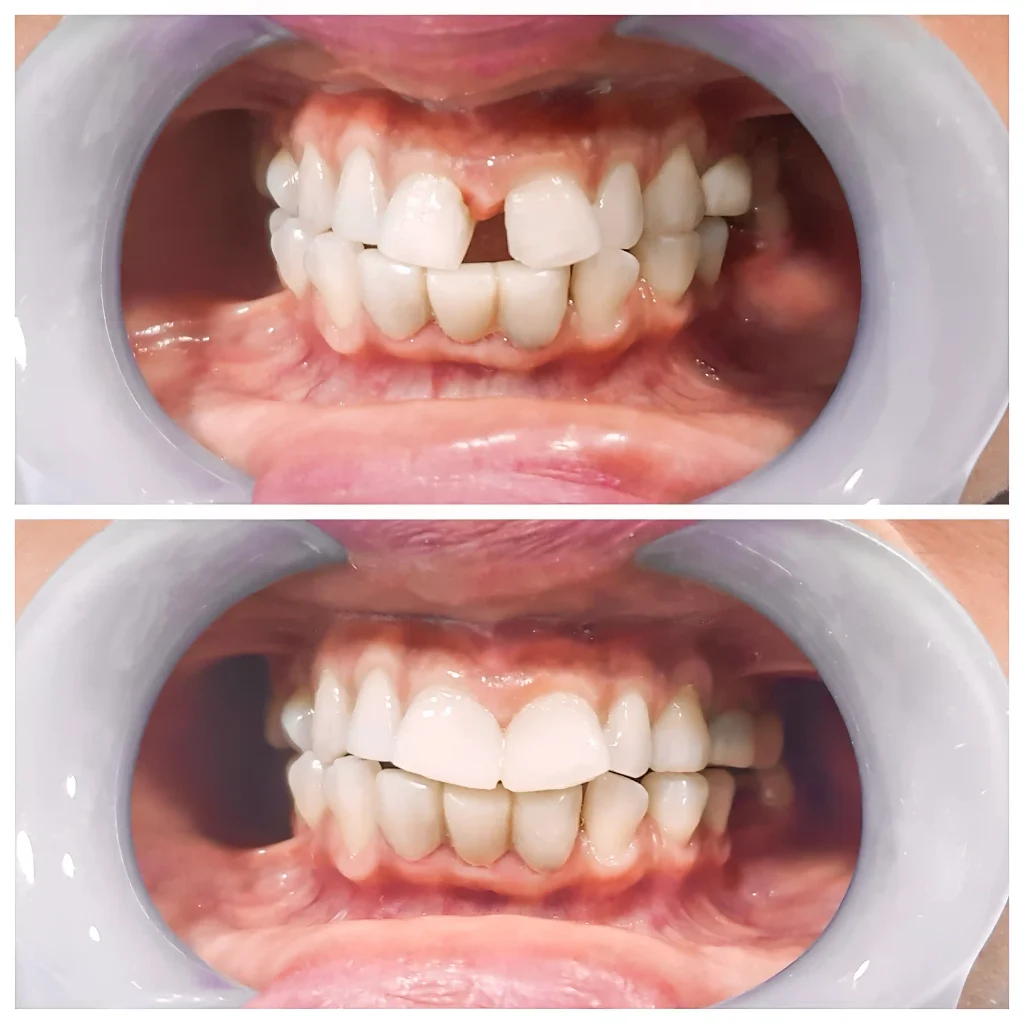
Dental Bonding vs. Veneers for Front Teeth
If longevity is your main concern, it’s worth knowing how bonding compares to veneers for front teeth specifically:
Bonding is the more affordable, flexible choice for one or two teeth, while veneers tend to last longer but cost significantly more upfront. Many patients start with bonding and consider veneers later if they want a longer-lasting result.
Making Your Dental Bonding Last
Remember that how long teeth bonding lasts on the front teeth depends on how good of a caretaker you are. It can last 5-10 years without a touch-up if you adopt a good hygiene routine and give up habits that can harm it.
Talk to Our Dental Team
You can contact our dental team at Smile4ever Family Dentistry for any cosmetic dentistry procedure. Call us at (281) 213-5668 to discuss your case and our solution.
Frequently Asked Questions
How Long Does Front Teeth Bonding Last?
Most front teeth bonding lasts 5 to 10 years, though it depends heavily on your bite, habits, and how well you care for it.
Does Bonding Last Longer on Front or Back Teeth?
Front teeth bonding tends to need touch-ups sooner than back teeth bonding, since front teeth take more direct force from biting and talking and show staining more visibly.
Can Front Teeth Bonding Last 10 Years?
With consistent oral hygiene and avoiding hard foods, many patients get the full 8 to 10 years out of front teeth bonding before needing a touch-up.
How Does Teeth Grinding Affect Dental Bonding?
Grinding significantly shortens bonding’s lifespan, sometimes to just a couple of years, since composite resin is softer than natural enamel. A nightguard can help protect it.
Does Bonding Last as Long as Veneers?
Bonding typically lasts 5 to 10 years, while porcelain veneers often last 10 to 15 years or more, though veneers cost considerably more upfront.
Can Bonding Be Touched Up Instead of Replaced?
Often, yes. Minor chips or staining can usually be polished or touched up for $100 to $250 per tooth, rather than redoing the entire bond.