On this page 11 sections
- What Is Dental Bonding?
- How Is Dental Bonding Done? Step-by-Step
- Gap Bonding: Closing Spaces Between Your Teeth
- Pros and Cons of Dental Bonding
- How Long Does Dental Bonding Last?
- How Many Times Can A Tooth Be Bonded?
- How Much Does Dental Bonding Cost in Houston, TX?
- Finding the Right Dentist for Composite Bonding
- Dental Bonding vs. Veneers: Which Is Right for You?
- Conclusion
- FAQs
No one likes the idea of a roughly chipped or cracked tooth. Not only does it make your teeth look crooked, but it can also alter your smile. But sadly, you can’t prevent accidents from taking place. So, what are you supposed to do in the case of a slightly chipped tooth?
When all other treatments fail, dental bonding comes to the rescue!
All it takes is a little bit of resin and curing to get your smile back in order. However, before committing to the procedure, most people wonder long does dental bonding last. Although, there’s no set answer for that, especially since the lifespan entirely depends on how well you take care of it.
What Is Dental Bonding?
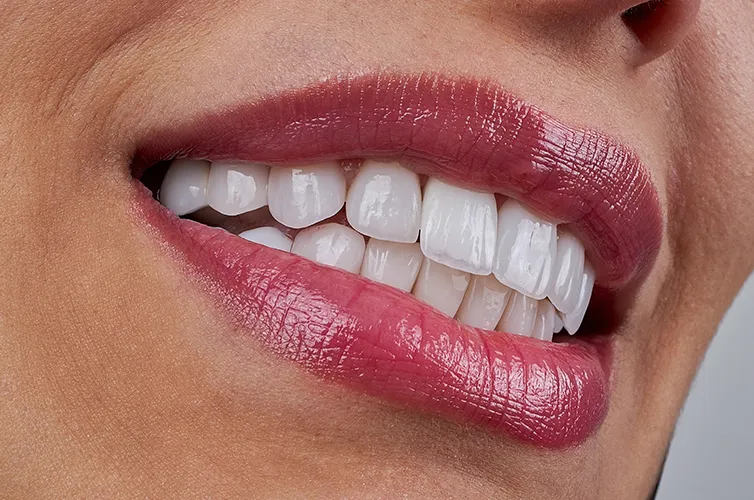
Dental bonding, also known as teeth bonding or composite bonding, is a cosmetic dental procedure. It uses composite resin to restore chipped, cracked, and slightly broken teeth.
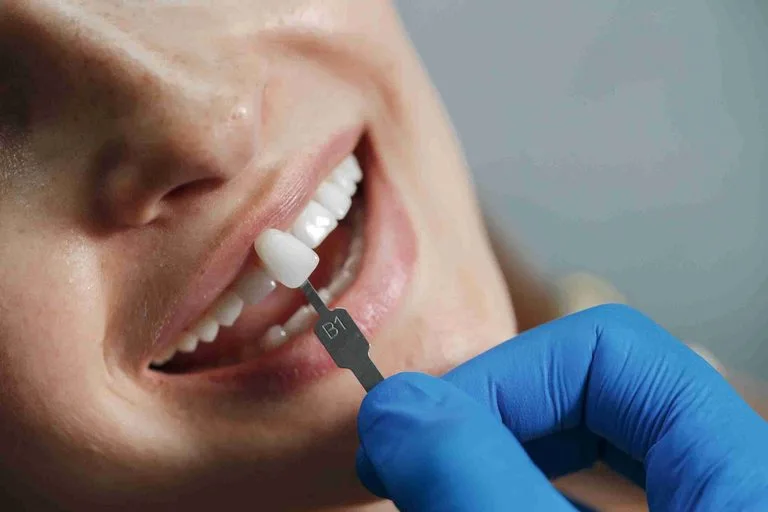
Not to mention, the best part about dental bonding is that you can select any shade of resin that perfectly matches your teeth. This way, even when the affected tooth is built up again, you won’t be able to tell the difference. By choosing a suitable color and filing it into the perfect shape, your dentist will make sure to renew your smile, making it look as natural as possible.
Cosmetic Bonding vs. Restorative Bonding
What is teeth bonding used for exactly? It actually serves two purposes that are related. Cosmetic bonding is only used for cosmetic purposes, to cover up small gaps, to reshape an uneven edge, or to close up stains that whitening will not cover. Restorative bonding is used to restore a tooth to function and to restore a tooth to a normal appearance after a chip, crack or decay has occurred. Many patients need a bit of both in the same visit, and your dentist will walk you through which category your case falls into.
How Is Dental Bonding Done? Step-by-Step
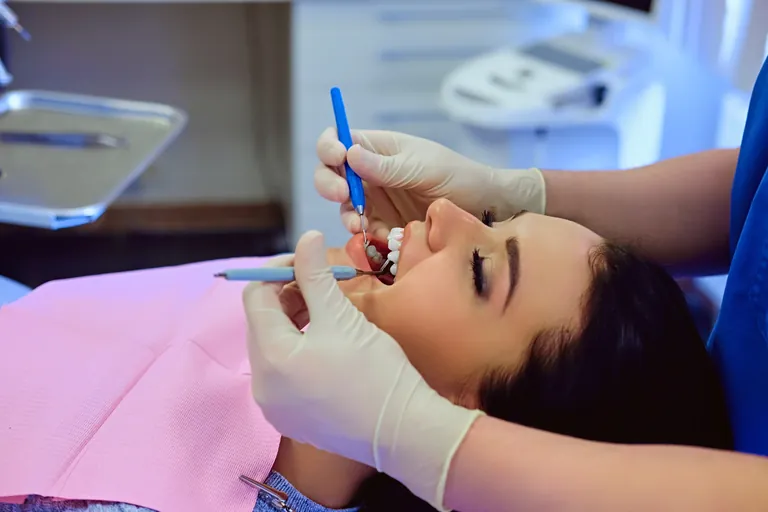
Wondering what is composite bonding actually like in the chair? Let’s look at an example of an appointment:
- Shade matching: Your dentist selects a resin shade that matches your natural teeth.
- Surface prep: Lightly roughened to ensure that the resin adheres.
- Applying the resin: The putty-like composite material is applied and formed.
- Curing: Specially made light hardens the resin in a matter of seconds.
- Shaping and polishing: Your dentist whittles it down and gives it a shine similar to the rest of your teeth.
Most single tooth appointments last 30-60 minutes and are followed by no downtime, so you can get right back to your day.
Gap Bonding: Closing Spaces Between Your Teeth
So, one of the most frequent reasons why patients ask about bonding is not a chip, it’s a gap. Gap bonding is a composite resin filling of small areas between teeth, usually the two front teeth, which does not require braces or Invisalign. It is suitable for small to medium sized gaps, as gaps that are too large will cause the bite to shift or appear unnatural if filled with resin only.
In cases where the gap is larger, however, your dentist might recommend veneers or orthodontics instead, but when the gap has been an issue for years, bonding can close it in one visit.
Pros and Cons of Dental Bonding
As with all dental procedures, bonding has its pros and cons. It is fast, affordable and preserves more of your natural tooth than other solutions such as veneers, but it’s not as hard or durable.
Let’s take a brief look at the pros and cons of bonding.
| Pros | Cons |
| Usually finished in one visit | Not as stain-resistant as veneers or crowns |
| Less expensive than veneers or crowns | Doesn’t last quite as long as porcelain options |
| Preserves more of your natural tooth | Can chip if you bite down on hard foods |
| No lab work or temporary tooth needed | May need touch-ups over the years |
How Long Does Dental Bonding Last?
Like every other dental treatment, the results depend on how well you care for your teeth. That is to say, depending on your oral hygiene routine, your dental bonding can last for as long as ten years.
However, if you neglect your teeth and gums, the bonding can fall out in just a few months or years. Moreover, as important as it is for you to care for your dental health, the lifespan of a dental bonding also relies on the type of resin used.
It’s also essential to note that dental bonding is not a one-time procedure. You can get your tooth bonded again, even after the bonded material has fallen off.
Tips to Help Bonding Last Longer
The answer to how long does composite bonding last depends on your everyday habits, but there are a few simple precautions you can take:
- Do not bite on ice, pens or fingernails.
- Limit foods and beverages that tend to stain, such as coffee, red wine and berries.
- Use a night guard to prevent teeth grinding.
- Regular cleanings will help your dentist detect early wear, so that you can continue to enjoy your smile.
How Many Times Can A Tooth Be Bonded?
Due to its reversible nature, you can get your tooth bonded as many times as needed. In fact, you can even have your previous dental bonding replaced with ease.
However, if you previously tried to get a teeth bonding treatment, but your body rejected it, it might be best to leave it alone. You can give it a try – three times, to be exact. But if, after all the tries, your body continues to reject the bonding treatment, do not push for it again. Instead, ask your dentist for other ways to deal with a chipped tooth.
How Much Does Dental Bonding Cost in Houston, TX?
The average price of dental bonding in Houston ranges from $250 to $850 per tooth, depending on the size and complexity of the repair. Here are some general guidelines:
| Type of Repair | Typical Houston Price |
| Minor chip or edge smoothing | $250 to $400 per tooth |
| Small gap closure (gap bonding) | $300 to $600 per tooth |
| Larger repair or reshaping | $550 to $850 per tooth |
Dental insurance may cover the expense if bonding is performed for a functional purpose, such as a chip that interferes with biting. Pure cosmetic bonding typically isn’t covered and will depend on your provider, so check with them first.

Finding the Right Dentist for Composite Bonding
The bonding is not manufactured in a lab, so the dentist’s expertise and attention to detail are critical to the natural look. A dentist for composite bonding should:
- Demonstrates pre and post images of their bonding work
- Takes time to match shade and shape to natural teeth, not the closest shade or shape
- Describes the care of the product in a clear way, ensuring long-lasting results
- Has experience with both cosmetic and restorative bonding case.
Dental Bonding vs. Veneers: Which Is Right for You?
| Feature | Dental Bonding | Veneers |
| Material | Composite resin | Porcelain or composite shell |
| Visits needed | Usually 1 | Usually 2, plus a lab step |
| Houston cost | $250 to $850 per tooth | $600 to $2,500+ per tooth |
| Lifespan | Up to 10 years with care | 10 to 20+ years |
| Stain resistance | Moderate | High |
| Best for | Small chips, gaps, minor reshaping | Larger cosmetic changes, long-term durability |
Conclusion
All in all, dental bonding is a great cosmetic treatment if you’re dealing with chipped or cracked teeth. Not only do your teeth end up looking amazing after the procedure, but it also gives your smile and self-confidence the boost it needs.
Plus, if you take good care of your teeth and gums, you can easily expect dental bonding to last for as long as an entire decade. Thus, if you’re dealing with a slightly chipped tooth and want to enhance your smile, give dental bonding a try!
For more information, feel free to contact Smile4Ever Family Dentistry at (281) 213-5668. You can also find us at 14715 T C Jester Blvd, Houston, TX 77068. Our dental office is located between Daiquiris and From The Barrel.